Product Description
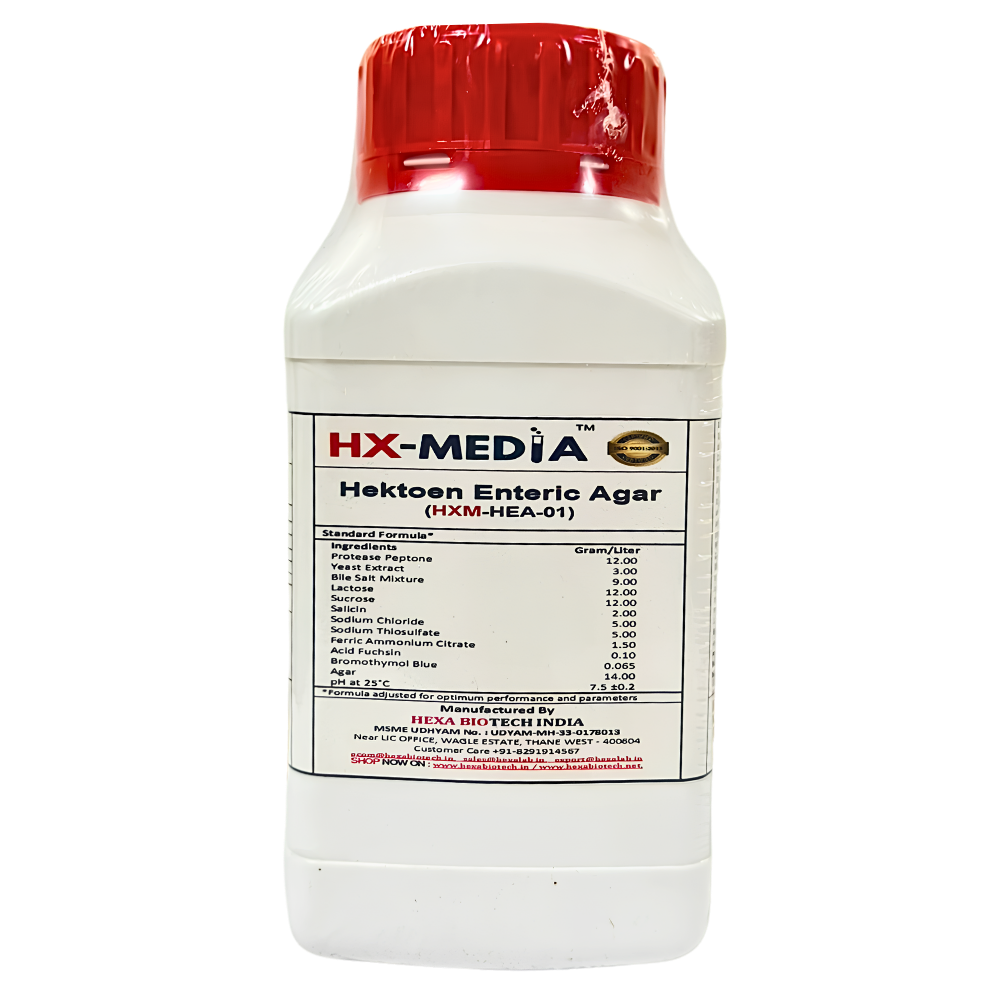
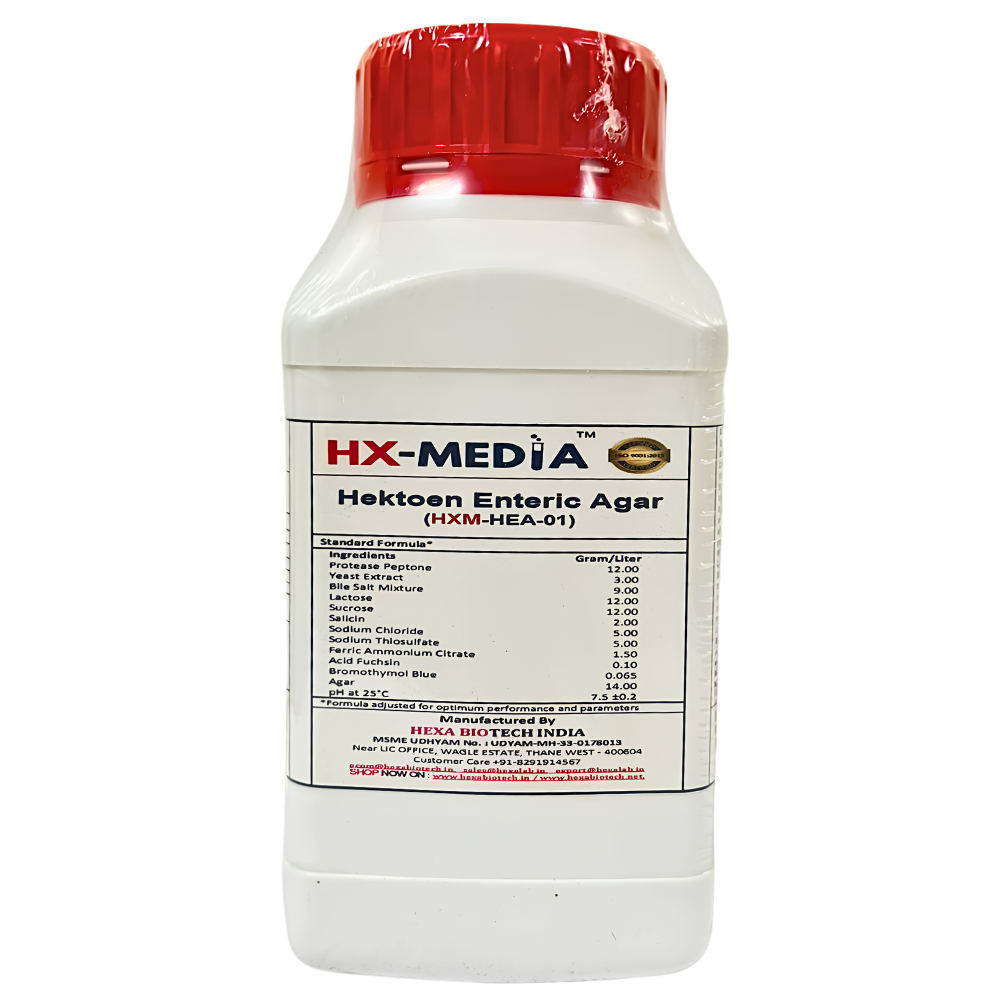
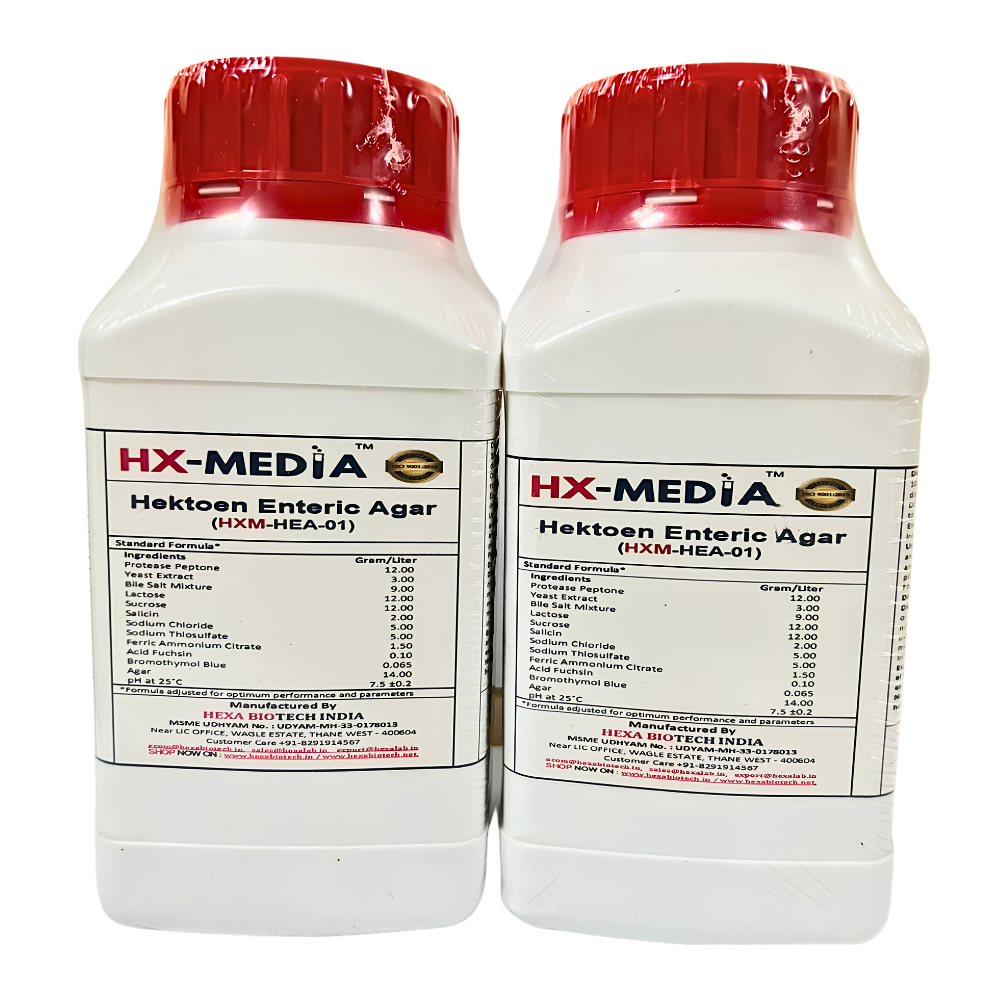
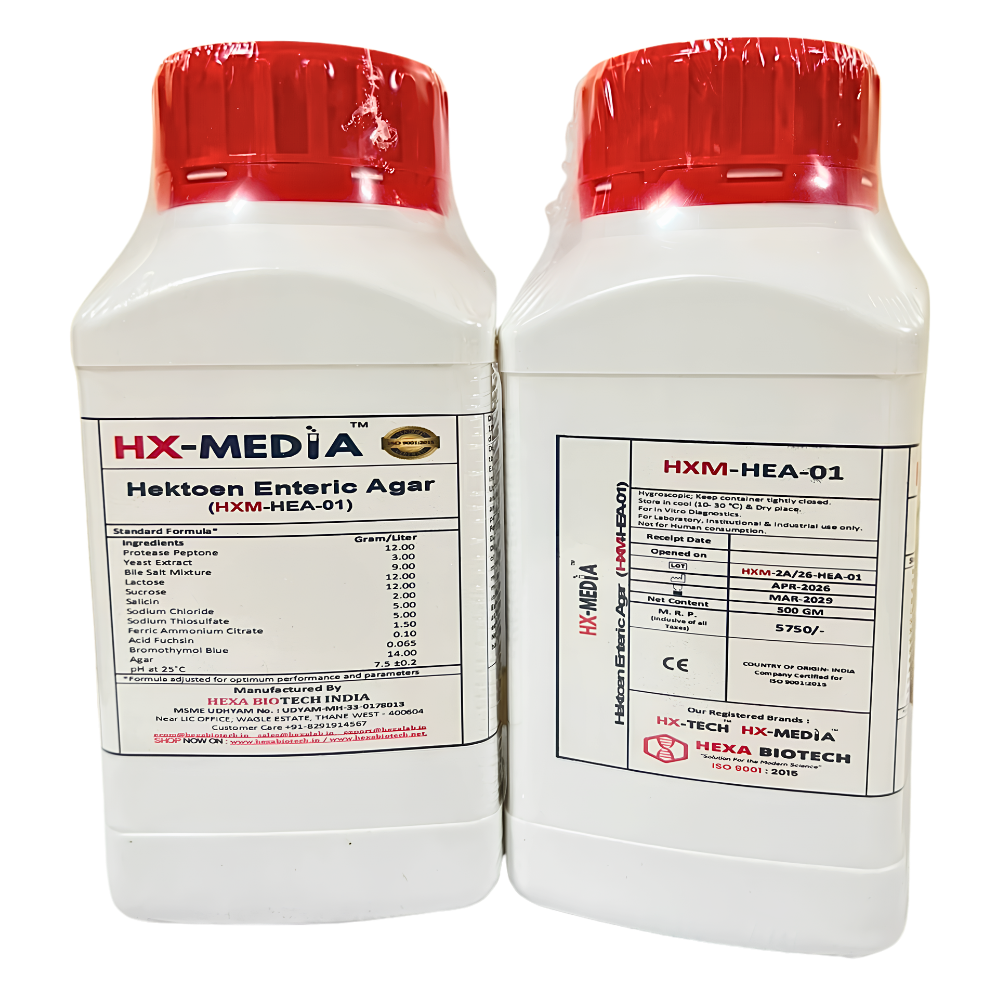
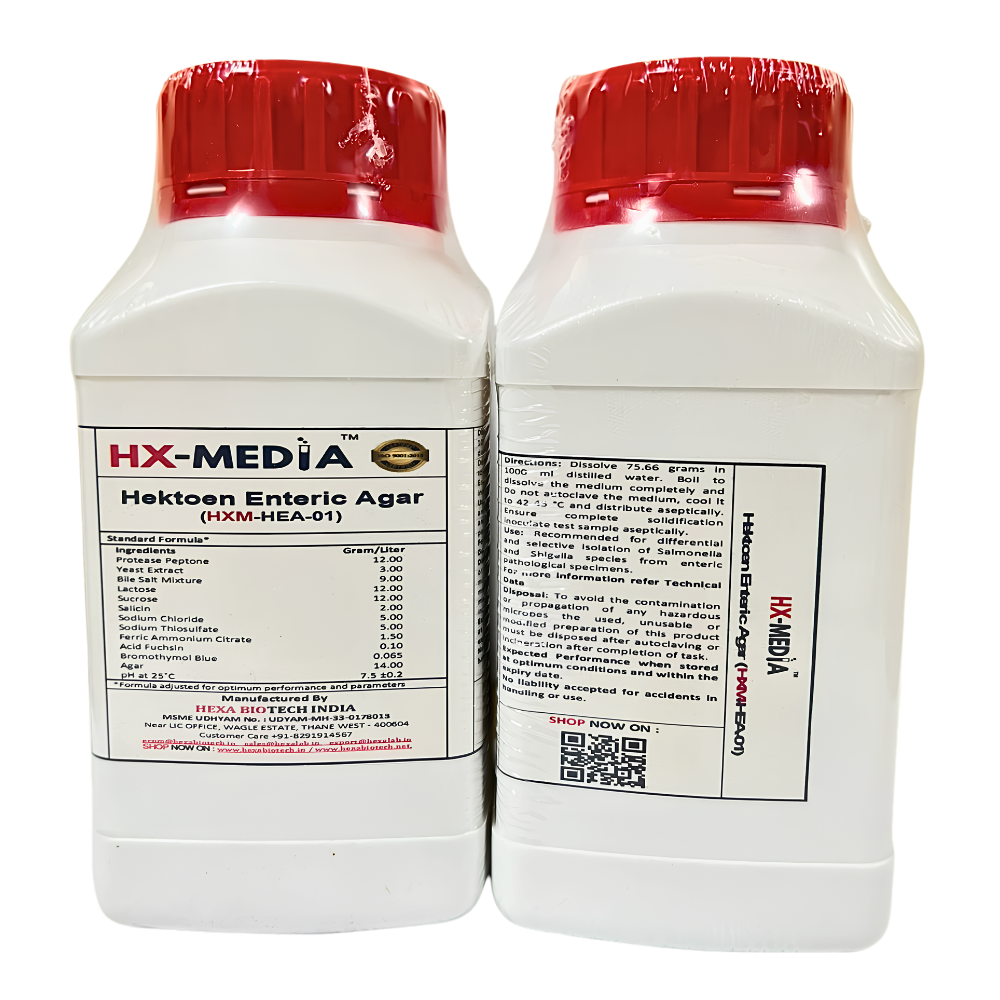
HEKTOEN ENTERIC AGAR | HX-MEDIA
Product Overview
Hektoen Enteric Agar (HE Agar) is a highly selective and differential culture medium developed for the isolation, cultivation, and differentiation of enteric pathogenic bacteria, particularly Salmonella and Shigella species, from clinical, food, water, pharmaceutical, veterinary, and environmental samples. It is one of the most widely used media in diagnostic and public health microbiology laboratories for the routine screening of intestinal pathogens from specimens containing large numbers of normal enteric microorganisms.
Hektoen Enteric Agar was specifically formulated to improve the recovery of enteric pathogens while suppressing the growth of non-pathogenic intestinal flora. This is achieved through the incorporation of bile salts, which inhibit Gram-positive organisms and reduce the growth of many unwanted bacteria, thereby enhancing the isolation of pathogenic Gram-negative enteric bacilli.
Hektoen Enteric Agar combines selective and differential properties in a single medium. The presence of lactose, sucrose, and salicin allows differentiation based on carbohydrate fermentation patterns. Organisms capable of fermenting these carbohydrates produce acid, causing the pH indicators bromothymol blue and acid fuchsin to change color and resulting in yellow, orange, or salmon-colored colonies. These reactions are typically observed with non-pathogenic coliform bacteria and other enteric fermenters.
In contrast, pathogenic organisms such as Salmonella and Shigella generally do not ferment these carbohydrates and therefore produce green to blue-green colonies. This distinction allows rapid visual differentiation between pathogenic and non-pathogenic organisms during primary isolation.
A major advantage of Hektoen Enteric Agar is its ability to detect hydrogen sulfide (H₂S) production. Sodium thiosulfate serves as the sulfur source, while ferric ammonium citrate acts as the indicator system. Organisms capable of producing hydrogen sulfide react with ferric ions to form a black precipitate of ferrous sulfide. As a result, many Salmonella species appear as blue-green colonies with characteristic black centers, providing an important presumptive identification feature.
The medium is particularly valuable for the examination of:
- Stool specimens
- Rectal swabs
- Food and food products
- Poultry and meat samples
- Dairy products
- Drinking water samples
- Wastewater and environmental samples
- Pharmaceutical raw materials and finished products
- Veterinary specimens
Hektoen Enteric Agar is frequently used in conjunction with enrichment media such as:
- Selenite F Broth
- Tetrathionate Broth
- Rappaport Vassiliadis Broth
Following enrichment, samples are streaked onto Hektoen Enteric Agar to improve the recovery and detection of Salmonella and Shigella from heavily contaminated specimens.
Typical Colony Characteristics
- Salmonella spp. – Blue-green colonies, often with black centers due to H₂S production
- Shigella spp. – Green, moist colonies without black centers
- Lactose/Sucrose fermenters (e.g., E. coli) – Yellow to orange or salmon-colored colonies
- H₂S-producing enteric bacteria – Colonies with black precipitates
Advantages of Hektoen Enteric Agar
- Highly selective for enteric pathogens
- Excellent recovery of Salmonella and Shigella
- Simultaneous selective and differential action
- Detects hydrogen sulfide-producing organisms
- Reduces interference from normal intestinal flora
- Provides clear and distinctive colony morphology
- Suitable for clinical, food, water, pharmaceutical, and environmental testing
- Recommended in public health and food safety laboratories
- Reliable and reproducible performance
- Widely recognized in standard microbiological protocols
Due to its superior selectivity, differential capabilities, and ability to detect hydrogen sulfide production, Hektoen Enteric Agar remains one of the most trusted and extensively used media for the isolation and presumptive identification of enteric pathogens. Its effectiveness in distinguishing Salmonella and Shigella from mixed microbial populations makes it an essential tool in clinical diagnostics, food safety monitoring, environmental surveillance, pharmaceutical quality control, and microbiological research laboratories worldwide.
🔬 Key Features
- Selective and differential medium for enteric pathogens
- Excellent isolation of Salmonella and Shigella
- Inhibits Gram-positive organisms
- Differentiates lactose, sucrose, and salicin fermenters
- Detects hydrogen sulfide (H₂S) production
- Produces distinct colony morphology for easy identification
- Reliable and reproducible performance
- Suitable for routine and research applications
🎯 Applications
- Isolation of Salmonella species
- Isolation of Shigella species
- Clinical diagnostic microbiology
- Food safety and quality control testing
- Water quality monitoring
- Environmental microbiology studies
- Pharmaceutical microbiological testing
- Public health surveillance and outbreak investigations
- Research and academic microbiology laboratories
🧪 Composition (Typical)
| Component |
Quantity (g/L) |
| Proteose Peptone |
12.0 |
| Yeast Extract |
3.0 |
| Lactose |
12.0 |
| Sucrose |
12.0 |
| Salicin |
2.0 |
| Bile Salts Mixture |
9.0 |
| Sodium Chloride |
5.0 |
| Ferric Ammonium Citrate |
1.5 |
| Sodium Thiosulfate |
5.0 |
| Bromothymol Blue |
0.065 |
| Acid Fuchsin |
0.1 |
| Agar |
13.5 |
Final pH: 7.5 ± 0.2 at 25°C
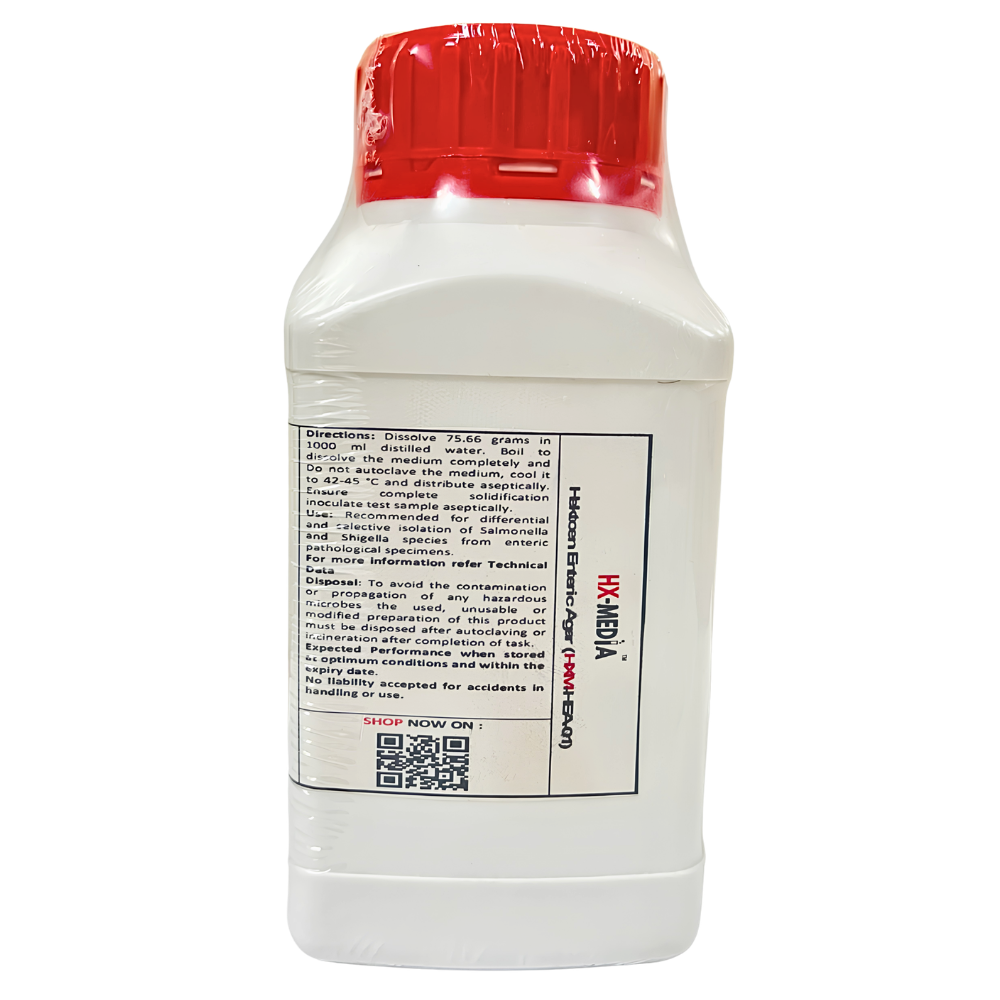
🛠️ How to Use
- Suspend the required quantity of medium in distilled or purified water.
- Heat with frequent stirring until completely dissolved.
- Do not overheat unnecessarily.
- Sterilize according to recommended instructions.
- Cool the medium to 45–50°C and pour into sterile Petri plates.
- Allow plates to solidify.
- Inoculate specimens using standard microbiological techniques.
- Incubate at 35–37°C for 18–24 hours.
- Observe colony morphology and H₂S production for identification.
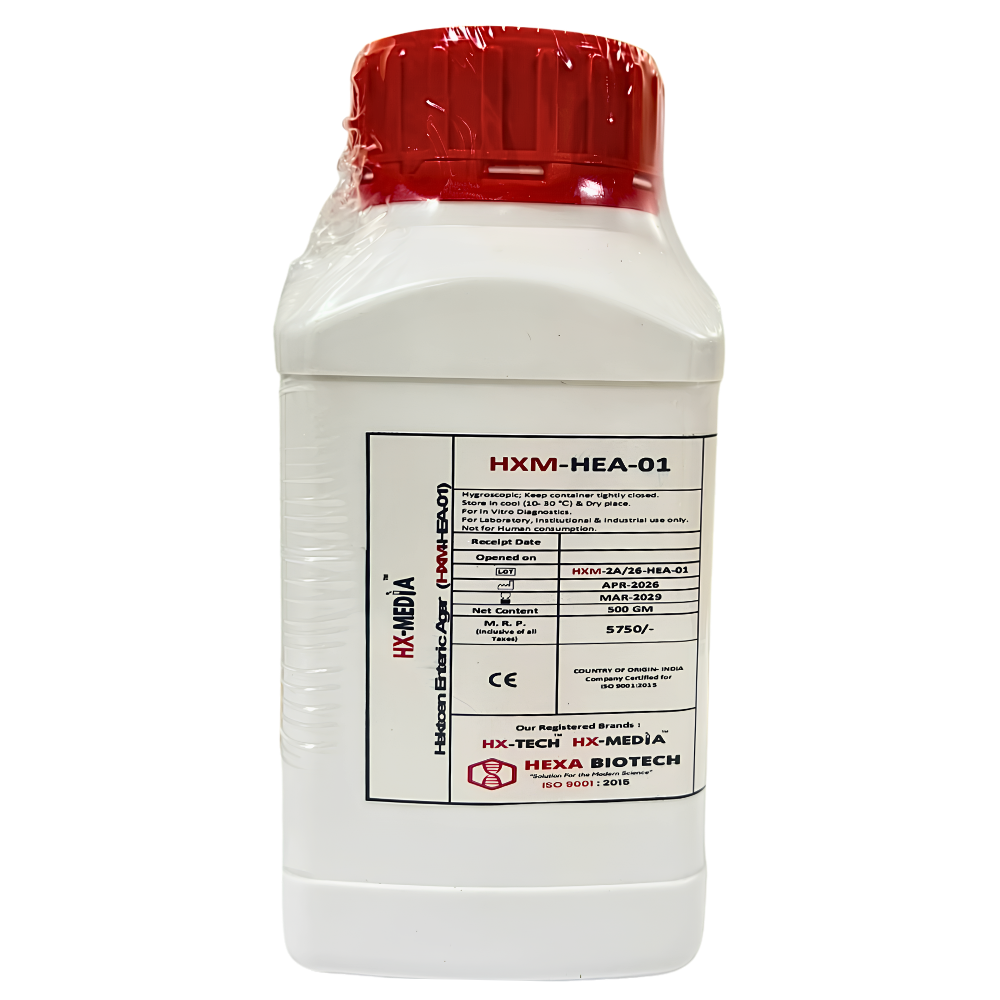
⏳Storage and Shelf Life
- Store dehydrated medium in a cool, dry place.
- Recommended storage temperature: 10–30°C.
- Protect from moisture, direct sunlight, and excessive heat.
- Keep container tightly closed after use.
- Store prepared plates at 2–8°C.
- Use prepared media within recommended laboratory guidelines.
- Use before the expiry date stated on the product label.
👍 Ideal For
✔ Clinical microbiology laboratories
✔ Public health laboratories
✔ Food testing laboratories
✔ Water testing facilities
✔ Pharmaceutical quality control laboratories
✔ Isolation and differentiation of enteric pathogens, especially Salmonella and Shigella species.


Reviews
There are no reviews yet.